Used on eBay right now
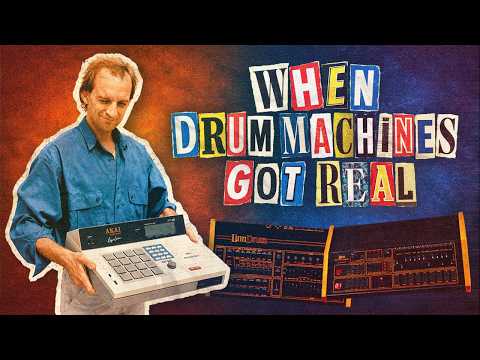
See all on eBay →The Linn LM-1 Drum Computer was the first programmable drum machine to use samples of real acoustic drums. Designed by Roger Linn and released in 1980, it made drum machines credible as serious instruments, and it introduced the quantize and swing ideas that later defined the Akai MPC.
History
The LM-1 cost about $5,000 and only 525 were built. It holds 12 sampled sounds (kick, snare, hi-hat, cabasa, tambourine, two toms, two congas, cowbell, claves and handclaps) at 8 bits and 28 kHz, each individually tunable. There are no cymbals, because memory was too expensive at the time. The cheaper LinnDrum replaced it in 1982.
Why it matters to hip hop
The LM-1 is less a rap machine than the ancestor of rap’s most important tools. Its sequencer offered “timing correct” (quantize) and “shuffle” (swing), features Linn refined in the LinnDrum and then carried into the Akai MPC60 he designed in 1988. That swing is the same feel boom-bap producers chased on the MPC for decades.
Records it defined
Prince was its most famous user, and it is on The Human League’s Dare along with records by Michael Jackson, Peter Gabriel, Stevie Wonder, Gary Numan and Giorgio Moroder. The Guardian credited it with turning drum machines from toys into instruments, and it entered the TECnology Hall of Fame in 2005.
Finding one
Surviving LM-1s are rare collector pieces. Many listings are for the later LinnDrum (LM-2), the Linn 9000 or loose EPROM sound chips, so check the model name carefully.
Linn LM-1 Drum Computer videos: demos, history and breakdowns