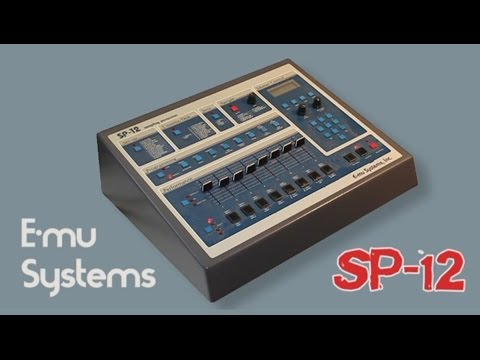
Used on eBay right now
 Oberheim 1560A Cymbal #2 Board / Card For Vintage DMX Drum MachineUsed · Buy It Now$79.99
 Oberheim DMX Drum Machine Ni-Cd to Lithium Battery Upgrade KitNew · Buy It Now$26.49
 Oberheim DMX Debug Diagnostic Test Firmware EPROM KIT / New ROM Chip Recover FixNew · Buy It Now$24.71
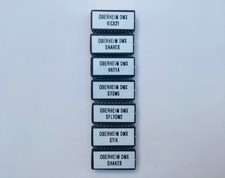 Custom Eprom Drumkit Sets For The Oberheim DMX.New · Buy It Now$71.52
 OBERHEIM DMX OTHER SOUND EPROMS VINTAGE GROOVEBOX EPROM KITNuovo · Buy It Now$14.75
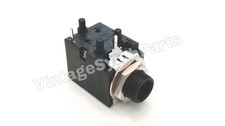 Oberheim DMX Phone jack output 1/4 Inc replace all Jack Except Clock in out SyncNuovo · Buy It Now$17.03
The Oberheim DMX is the drum machine that gave early-80s New York rap its hard, punchy sound. Released in 1981 (some sources say 1980), it was one of the first drum machines built on samples of real drums, and it powered the first Run-DMC records.
History
Oberheim Electronics stored the DMX’s sounds on swappable EPROM chips on voice cards, so users could change the kit by changing chips. It offered 24 sounds built from 11 base samples, eight voices, 100 sequences and 50 songs, with individual outputs for every drum. At launch it listed at $2,895. The cheaper Oberheim DX followed in 1983.
The sound in hip hop
Next to its rivals, the DMX’s kick, snare and clap hit harder, and that toughness drew early rap producers. Run-DMC’s 1983 singles “It’s Like That” and “Sucker M.C.’s” were built entirely on DMX drums. Producer Davy DMX took his name from the machine he made beats on. Rick Rubin and engineer Steve Ett made the beats for LL Cool J’s “I Can’t Live Without My Radio” on a DMX, and Complex credits it on the Beastie Boys’ “No Sleep Till Brooklyn” and Slick Rick’s “Children’s Story.” Outside rap, it drives New Order’s “Blue Monday.”
Buying one today
Working DMX units are uncommon. Check that the voice cards and EPROMs are present and that every sound plays, and watch for listings of loose chips, voice cards or the smaller DX model. GForce makes an officially licensed Oberheim DMX software instrument if you want the sound without the hardware.
Oberheim DMX videos: demos, history and breakdowns


Heard on
- Licensed to Ill — Beastie Boys (1986) Reported
- The Great Adventures of Slick Rick — Slick Rick (1988) Reported