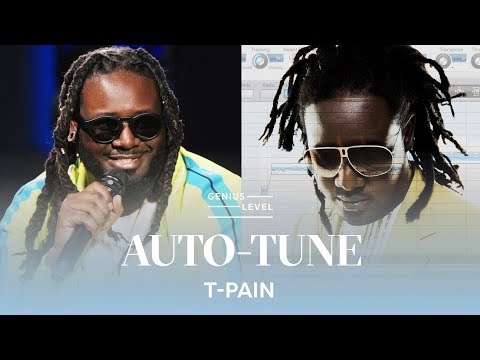
Antares Auto-Tune is the plug-in that changed how rap sounds. Andy Hildebrand, a former oil-industry engineer, released it in 1997 to quietly fix out-of-tune vocals. Set to its fastest speed, though, it snaps every note to pitch with a robotic warble, and that effect became a genre.
History
Cher’s “Believe” (1998) was the first hit to use it as an audible effect; she insisted it stay in. A decade later it was everywhere in rap and R&B, and Jay-Z pushed back with “D.O.A. (Death of Auto-Tune)” in 2009.
The hip hop connection
T-Pain built his sound on it with Rappa Ternt Sanga (2005). Kanye West used it on 808s & Heartbreak (2008) to represent a fragmented soul. Lil Wayne experimented with it before Tha Carter III and “Lollipop.” Future and Young Thug took it into modern trap, and Sound On Sound documented Auto-Tune on most of Drake’s vocals on “Headlines” and on Kendrick Lamar and SZA’s “All the Stars.”
Getting it today
Antares sells several versions, with perpetual licenses or an Auto-Tune Unlimited subscription.
Antares Auto-Tune videos: demos, history and breakdowns


