1980s
New York
In the Bronx, Queens and Brooklyn of the 1980s, b-boys and MCs wore a mix of athletic gear and flashy accessories: clean sneakers, crisp denim, bold eyewear and brimmed hats. Run-DMC made that look official by turning sneakers and tracksuits into a group uniform, while Harlem tailor Dapper Dan remixed luxury logos into custom pieces for rap's early stars.
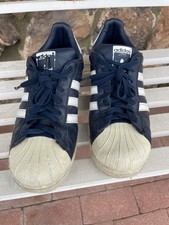
AdidasAdidas Superstar shell toes
The company
Adidas grew out of the shoe business Adolf 'Adi' Dassler started with his brother Rudolf in 1924 in Herzogenaurach, Germany, where it is still headquartered; the Adidas name was registered in August 1949 after the brothers split. The Superstar, with its rubber shell toe cap, launched in 1969 as a low-top basketball shoe.
In hip hop
Run-DMC wore their Superstars without laces and released 'My Adidas' in 1986; after fans held up their sneakers at the group's command during a Madison Square Garden show that July, Adidas signed the group to what is widely called the first endorsement deal between a music act and an athletic brand, reportedly worth $1 million.
KangolKangol bucket hat
The company
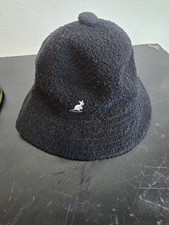
Kangol was founded in 1938 by Jacques Spreiregen, with its first factory in Cleator, Cumbria, England; the name blends silk, angora and wool. Frasers Group has owned the brand since 2006, while American hatmaker Bollman Hat Company has held the global rights to Kangol hats since 2002.
In hip hop
Run-DMC, Grandmaster Flash and LL Cool J all wore Kangols in the 1980s, and the Bermuda Casual bucket hat became LL Cool J's signature headwear early in his career.
CazalCazal glasses
The company
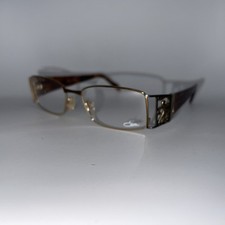
Cazal was launched in Germany in 1975 by Athens-born designer Cari Zalloni (1937-2012) and entrepreneur Günter Böttcher. The brand is now run by op Couture Brillen GmbH, based in Passau, Germany.
In hip hop
Cazal frames became a status symbol in 1980s hip hop, worn by Run-DMC, the Fat Boys and LL Cool J; they were prized enough to be frequent targets of street theft.
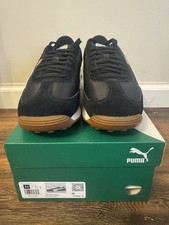
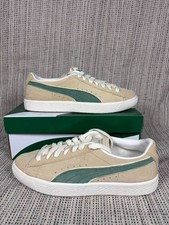
PumaPuma Suede
The company
Puma was founded in 1948 by Rudolf Dassler, brother of Adidas founder Adi Dassler, and is headquartered in Herzogenaurach, Germany. In January 2026 China's Anta Sports bought a roughly 29% stake in Puma from the Pinault family's Groupe Artémis in a deal of about $1.8 billion.
In hip hop
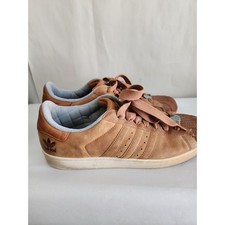
Around 1980 the Rock Steady Crew and New York City Breakers adopted the Suede for its flexible sole and soft upper, making it the signature b-boy shoe of early breaking culture.
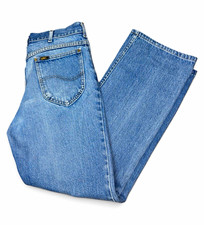
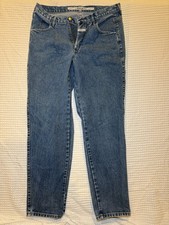
LeeLee jeans
The company
Lee began in 1889 when Harry David Lee founded the H.D. Lee Mercantile Company in Salina, Kansas; the brand later pioneered the zipper fly in the 1920s. Owned by Greensboro, North Carolina-based Kontoor Brands since 2019, Lee was the subject of a May 2026 agreement to sell it to Authentic Brands Group for up to $1 billion.
In hip hop
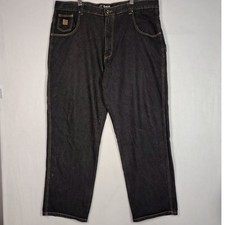
Lee jeans and jackets were a staple of New York's early hip hop scene in the late 1970s and 1980s, and the leather back patches were so coveted that people snatched them to sew onto other clothes.
Dapper Dan's BoutiqueDapper Dan custom logo jacket
The company
Daniel R. Day opened Dapper Dan's Boutique in 1982 on 125th Street in Harlem, reworking luxury-house logos into custom garments. Lawsuits from luxury brands, including Fendi, shut the shop in 1992; in 2017 Gucci partnered with him on a collection and in 2018 they opened a Dapper Dan of Harlem atelier on Lenox Avenue.
In hip hop
His clients included Eric B. & Rakim, LL Cool J and Salt-N-Pepa, and his logo-covered leathers helped define the luxury-bootleg look of late-1980s rap.
1990s
New York
1990s New York rap swapped tracksuits for rugged workwear and head-to-toe preppy labels. Wheat Timberlands and Carhartt jackets suited the city's winters and hardcore image, while crews like the Lo-Lifes turned Polo and other upscale brands into street trophies. Black-owned labels such as Karl Kani and FUBU showed that hip hop could build its own fashion businesses.
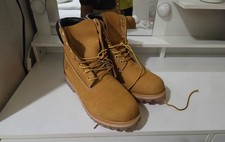
TimberlandTimberland 6-inch wheat boots
The company
Timberland traces back to shoemaker Nathan Swartz, who started in 1918 and took control of the Abington Shoe Company in the 1950s; its waterproof yellow boot debuted in 1973. Headquartered in Stratham, New Hampshire, the company was bought by VF Corporation in 2011 for about $2 billion.
In hip hop
Wheat Timbs became standard footwear for 1990s New York rap, worn and name-checked by Wu-Tang Clan, Nas, The Notorious B.I.G. and Jay-Z.
Polo Ralph LaurenPolo Ralph Lauren Snow Beach jacket
The company
Ralph Lauren started his company in New York City in 1967 while working for necktie maker Beau Brummell, launching the Polo menswear line in 1968. Ralph Lauren Corporation went public on the New York Stock Exchange in June 1997 and is still headquartered in New York.
In hip hop
Brooklyn's Lo-Lifes, formed in 1988, made wearing Polo head to toe their trademark, and Raekwon wore the Polo Snow Beach pullover in Wu-Tang Clan's 'Can It Be All So Simple' video.
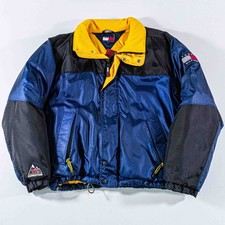
Tommy HilfigerTommy Hilfiger logo gear
The company
Tommy Hilfiger founded the label in New York City in 1985 with backing from textile magnate Mohan Murjani. PVH Corp. bought the company in 2010 for $3 billion, and the brand is now headquartered in Amsterdam.
In hip hop
After Snoop Dogg wore a Hilfiger sweatshirt on Saturday Night Live, the item reportedly sold out in New York stores the next day; Aaliyah later became a spokesperson for the brand in 1997.
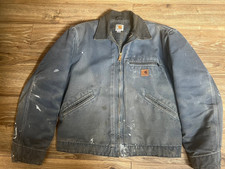
CarharttCarhartt duck jacket
The company
Hamilton Carhartt founded the company in Detroit in 1889, and it is headquartered in Dearborn, Michigan. It remains privately held by Carhartt's descendants and unusually shoots its own advertising in-house on real job sites.
In hip hop
In 1990 Tommy Boy Records gave out 800 logo-embroidered Carhartt jackets to tastemakers, and the brand went on to be worn by rappers including Tupac and Dr. Dre.
Karl KaniKarl Kani baggy jeans
The company
Karl Kani is the label of Carl Williams, born in Costa Rica and raised in Flatbush, Brooklyn, who founded it in 1989 and based it in Los Angeles. Black Enterprise named Karl Kani Infinity the most successful Black-owned firm worldwide in 1996.
In hip hop
Often called the godfather of hip hop clothing, Kani built his brand on baggy denim cut for rap fans, and Tupac Shakur appeared in a 1994 Karl Kani campaign without charging a fee.
FUBUFUBU jersey
The company
FUBU ('For Us, By Us') was founded in 1992 in Queens by Daymond John, Carlton Brown, J. Alexander Martin and Keith Perrin, with John mortgaging his house to fund early production. A 1995 investment from Samsung helped it scale, and sales passed $350 million at its 1998 peak.
In hip hop
LL Cool J wore a FUBU hat in a 1997 Gap commercial and slipped the brand's slogan into his rap, a stunt that gave FUBU huge national exposure.
ClarksClarks Wallabees
The company
Clarks was founded in 1825 in Street, Somerset, England by Cyrus Clark, joined by his brother James in 1828; the moccasin-style Wallabee launched in 1967. China's Viva Goods now owns 51% of the company, with the Clark family holding the rest.
In hip hop
Wallabees came to New York through the Jamaican community and were worn by Slick Rick and The Notorious B.I.G.; Ghostface Killah styled himself the Wallabee Champ, Method Man name-checked them on 2000's 'Gravel Pit,' and Clarks released a Wu-Tang capsule in 2019.
Late 1980s-1990s
Los Angeles / Southern California
LA's gangsta rap look came straight out of the neighborhood: cheap, durable workwear, pressed khakis, flannels buttoned to the top and sunglasses you couldn't see through, much of it borrowed from Chicano cholo and lowrider style. N.W.A added black-and-silver Raiders gear, partly because the neutral colors kept them clear of gang colors, and turned the whole outfit into a worldwide image of Compton.
DickiesDickies 874 work pants
The company
Dickies was founded in Fort Worth, Texas in 1922 by cousins C.N. Williamson and E.E. 'Colonel' Dickie, and its 874 work pant arrived in 1967. VF Corporation sold the brand to Bluestar Alliance in November 2025 for about $600 million, and it now operates out of Costa Mesa, California.
In hip hop
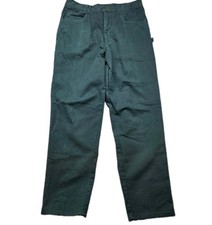
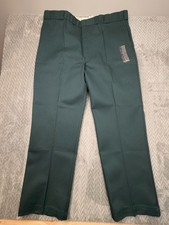
Southern California's Black and Latino communities made Dickies a street staple, N.W.A members wore them publicly, including at the 1991 MTV Video Music Awards, and Tupac wore customized Dickies overalls in 1993.
Pendleton Woolen MillsPendleton wool board shirt
The company
Pendleton Woolen Mills was established in 1909 by the Bishop family and is headquartered in Portland, Oregon, still family-owned. Its plaid shirts even inspired the name of 1961 vocal group the Pendletones, who became the Beach Boys.
In hip hop
Worn buttoned to the collar in the lowrider and cholo tradition, Pendleton flannels were part of the look of LA rappers such as Ice Cube, Eazy-E and Snoop Dogg.
NikeNike Cortez
The company
Nike began as Blue Ribbon Sports, founded in 1964 by Bill Bowerman and Phil Knight, and became Nike, Inc. in 1971; it is headquartered near Beaverton, Oregon. Bowerman designed the Cortez, released in 1972, which became one of the company's first big sellers.
In hip hop
The Cortez became a Los Angeles street icon through cholo style and through Compton's Eazy-E, and Kendrick Lamar renewed the connection in 2013 by vowing to wear only Cortez.
ConverseConverse Chuck Taylor All Star
The company
Converse was founded in 1908 by Marquis Mills Converse in Malden, Massachusetts, and is headquartered at Lovejoy Wharf in Boston. Salesman Chuck Taylor's signature was added to the All Star patch in 1932, and Nike bought Converse in 2003 for $309 million.
In hip hop
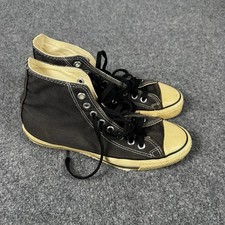
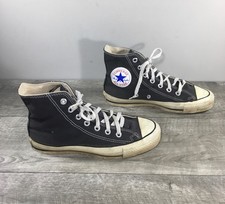
While East Coast rappers moved to pricier sneakers, N.W.A kept black Chucks as part of their raw street look, with MC Ren among those seen wearing them.
LocsLocs sunglasses
The company
Locs sunglasses came out of East Los Angeles' cholo and lowrider scene around 1980, taking their name from the Spanish word 'loco.' The brand is known for dark wraparound lenses and heavy frames and is still sold today.
In hip hop
Eazy-E and N.W.A made the blacked-out shades a gangsta rap signature in the late 1980s, and they later showed up in films like 'Boyz n the Hood' and 'Menace II Society.'
Sports SpecialtiesRaiders script snapback
The company
Sports Specialties was founded in Chicago in 1928 by teenager David Warsaw, who pioneered licensed sports merchandise and became the NFL's first official licensee in 1963. The company later moved to Irvine, California, and Nike acquired it in the early 1990s.
In hip hop
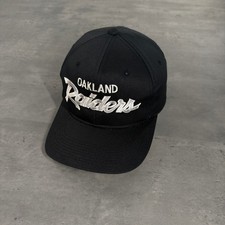
N.W.A members wore the Raiders Pro Line script snapback throughout the 'Straight Outta Compton' era, and The D.O.C. wore the LA Kings version; the hip hop link helped push Raiders merchandise toward the top of NFL sales.
Pro ClubPro Club heavyweight white tee
The company
Pro Club was founded in Los Angeles in 1986 to make a T-shirt that kept its shape through heavy wear. It grew from swap-meet sales into a citywide staple and is still known mainly for its heavyweight tee.
In hip hop
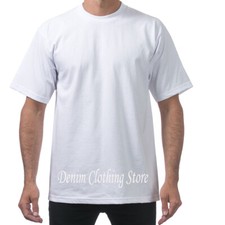
Already popular in LA's Chicano community, the oversized Pro Club tee was worn by Eazy-E, Dr. Dre, Ice Cube and Snoop Dogg in videos and on stage.
1990s-2000s
Bay Area (Oakland, Vallejo, Richmond, San Francisco)
The Bay built its own style on local workwear like San Francisco's Ben Davis, then got louder with the mid-2000s hyphy movement. Vallejo's Mac Dre mixed Burberry, Kangol and Levi's under oversized stunna shades, and the hyphy uniform of white tees, big chains and huge sunglasses fit a scene built around sideshows and going dumb.
Ben DavisBen Davis half-zip work shirt
The company
Ben Davis was founded in San Francisco's Mission District in 1935 by Ben Davis and his father Simon; Ben's grandfather Jacob Davis co-patented the riveted work pants that became Levi's jeans. The privately held, family-run company is now based in San Rafael, California, and is known for its gorilla logo.
In hip hop
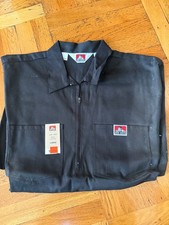
Ben Davis spread through Bay Area and West Coast street culture from the late 1980s; Hitman of San Francisco's RBL Posse wore a bright orange Ben Davis jumpsuit on a 1995 album cover, and Dr. Dre wore a Ben Davis work shirt in the 1992 'Let Me Ride' video.
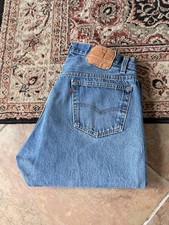
Levi'sLevi's jeans
The company
Levi Strauss & Co. was founded in San Francisco in 1853 by Levi Strauss and is still headquartered at Levi's Plaza there. With tailor Jacob Davis it received the 1873 patent for riveted work pants, and it returned to the New York Stock Exchange in 2019.
In hip hop
Mac Dre, the Vallejo rapper central to hyphy, was known for pairing Levi's with Burberry and Kangol, a mix that shaped the movement's look.
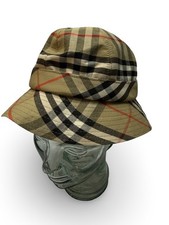
BurberryBurberry check hat and shirts
The company
Thomas Burberry founded the company in 1856 in Basingstoke, England, and introduced water-resistant gabardine fabric in 1879. Now headquartered in London, Burberry listed on the London Stock Exchange in 2002 and is known for the trench coat it developed for WWI officers.
In hip hop
Mac Dre layered Burberry check into his outfits, and fans copying his style made the pattern part of early hyphy fashion.
Various (no single brand)Stunna shades
The company
Stunna shades are a style, not a label: oversized, often wraparound sunglasses sold under many brands and by street vendors. The term comes from the Bay Area slang 'stuntin',' meaning showing off.
In hip hop
Mac Dre is credited with coining the term, and big stunna shades became a signature of the hyphy era, the look that spread nationally in 2006 with E-40 and Keak da Sneak's 'Tell Me When to Go.'
1990s
The South
Southern rap in the 1990s dressed loud and local: New Orleans hustlers had their own sneaker uniform, No Limit sold a whole soldier image with its records, and Atlanta mixed hometown sports gear with gold teeth. The look came from the street economy of each city, not from New York magazines, and labels like No Limit and Cash Money carried it nationwide.
Marithé + François GirbaudGirbaud jeans
The company
Founded in 1972 in Paris by designers François Girbaud and Marithé Bachellerie, the label is based in Neuilly-sur-Seine, France. The original company filed for bankruptcy in 2012, and the brand has since been run by Mad Lane, a company set up in 2015.
In hip hop
Juvenile is the rapper who name-checked Girbaud most often, and Master P mentioned the brand on "Mr. Ice Cream Man" (1996). Atlanta's Kris Kross wore the jeans in the video for "Jump" (1992), and Outkast named the brand on "Two Dope Boyz (In a Cadillac)."
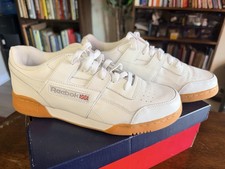
ReebokSoulja Reeboks (Reebok Workout Low)
The company
Reebok was founded in 1958 in Bolton, England, by brothers Joe and Jeff Foster, growing out of their grandfather's J.W. Foster and Sons running-shoe business. Adidas owned it from 2005 until Authentic Brands Group bought it in 2022 for about $2.5 billion, and it is now headquartered in Boston.
In hip hop
New Orleans rapper Soulja Slim gave the white Workout Lows their local nickname with his song "Souljas On My Feet," and they became standard wear in Uptown New Orleans. Juvenile and Mannie Fresh wore camo versions in videos during the Hot Boys era of the late 1990s and early 2000s.
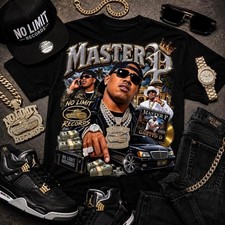
No Limit RecordsNo Limit Soldiers tee
The company
Master P started No Limit in 1991 in Richmond, California, and moved it to his hometown of New Orleans in 1995. A 1995 distribution deal with Priority let him keep his masters; in 1998 the label put out 23 albums, 10 of which went platinum, before it filed for bankruptcy in 2003.
In hip hop
No Limit sold a complete military image, with the tank logo, camouflage outfits and custom No Limit basketball jerseys worn by the whole roster. Fans wore the label's tees as a way of joining that army.
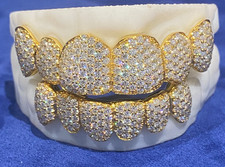
Famous Eddie's Gold TeethGold grills and fronts
The company
The shop belongs to Eddie Plein, who moved from Suriname to Brooklyn with his family in 1973. He is widely credited with inventing the modern grill and ran shops in New York, Miami and Atlanta. His story is told in the book Mouth Full of Golds (self-published 2021, reissued 2023).
In hip hop
After moving to Atlanta, Plein made grills for Outkast, Goodie Mob, Lil Jon and Ludacris, and grills stayed popular across the South even when other regions dropped them. The Houston grill boom tied to Paul Wall and Johnny Dang came later, in the 2000s.
KangolKangol furry bucket hat
The company
Jacques Spreiregen founded Kangol in 1938 in Cleator, Cumbria, England. The name blends silK, ANGora and wOOL. Frasers Group has owned the brand since 2006, and the U.S. maker Bollman Hat Company has held the rights to make and sell the hats since 2002.
In hip hop
In Outkast's early Atlanta videos, André 3000 wore furry Kangols with Braves jerseys and caps. Kangol already had hip hop history through Run-DMC, LL Cool J and The Notorious B.I.G.
2000s
The South
In the 2000s the South ran the charts, and its uniform spread with it: oversized white tees, old-school jerseys, and mouths full of Houston-made grills. As New Orleans stars chased Japanese streetwear, the look also moved from cheap basics toward rare, hard-to-find pieces.
HanesOversized white tee
The company
Hanes traces back to 1901, when John Wesley Hanes and Pleasant H. Hanes started their knitting mills, and it is still based in Winston-Salem, North Carolina. Sara Lee spun off Hanesbrands in 2006, and Canada's Gildan completed its roughly $2.2 billion purchase of the company on December 1, 2025.
In hip hop
Atlanta's Dem Franchize Boyz released "White Tee" in 2004, when the oversized white shirt was at its peak, and some clubs and schools went on to ban white tees. In a 2023 hip hop anniversary campaign, Hanes itself credited Lil Jon and others with making the white tee a streetwear staple.
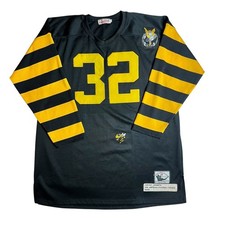
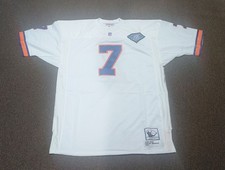
Mitchell & NessThrowback jersey
The company
Frank P. Mitchell and Charles M. Ness founded the company in Philadelphia in 1904, and it is still based there. After it began reproducing vintage jerseys in 1988, sales grew from $1.5 million in 1998 to $23 million in 2002. Fanatics bought it in 2022, with Jay-Z and Meek Mill among the investors.
In hip hop
Outkast's Big Boi wore a Mitchell & Ness 1982 Dale Murphy Braves jersey in a 1999 video, and he is credited with helping start the throwback craze. Kanye West and Jay-Z picked up the trend after seeing it in Atlanta.
Johnny Dang & Co. (TV Johnny)Custom grill
The company
Johnny Dang was born in Vietnam in 1973, moved to Houston in 1996, and opened his first shop, TV Jewelry, in Sharpstown Mall in 1998. He went into business with Paul Wall in 2002, and his flagship Johnny Dang & Co. moved from the mall to its own building in 2016.
In hip hop
Paul Wall and Dang made the Houston grill a national craze. Nelly's 2005 number-one single "Grillz," with Paul Wall and a cameo from Dang, was the high point, and clients went on to include Beyoncé, Kanye West and Gucci Mane.
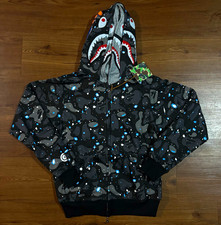
A Bathing Ape (BAPE)Bape camo hoodie and Bapestas
The company
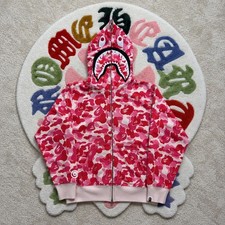
NIGO (Tomoaki Nagao) founded the brand in Harajuku, Tokyo, in 1993. Hong Kong's I.T Group later bought a 90% stake, and the name comes from a Planet of the Apes idea by the graphic designer Sk8thing.
In hip hop
New Orleans star Lil Wayne wore BAPE prominently from early 2006, including in the "Hustler Musik" video, and Curren$y says he introduced Wayne to the brand. Soulja Boy also claims he made rappers want to wear it.
1980s-1990s
The Midwest
Detroit style grew out of auto-factory money and street hustle, and it favored grown-up luxury: Cartier frames, custom leather and exotic-skin shoes, next to the city's own workwear. Chicago's contribution was Michael Jordan, whose Bulls years made his sneakers and team gear something worn everywhere.
CartierCartier buffs
The company
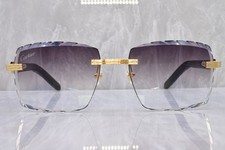
Louis-François Cartier founded the house in Paris in 1847, and the company is still headquartered there. The Swiss group Richemont took it over in stages during the 1970s, and Cartier launched ready-to-wear eyewear in 1983.
In hip hop
Detroiters call the rimless Cartier frames with buffalo-horn temples "buffs." Blade Icewood and the Street Lordz, Big Sean, Royce da 5'9" and Danny Brown rapped about them, and the frames became common enough to be a target of robberies in the city.
Pelle PellePelle Pelle leather jacket
The company
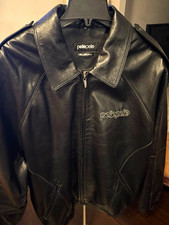
Marc Buchanan started Pelle Pelle (Italian for "leather leather") in Detroit in 1978 after working at a local leather shop, and it was later based in Auburn Hills, Michigan. The company was privately held, and Buchanan retired around 2019 after about 40 years running it.
In hip hop
Detroit boxer Tommy Hearns helped make the brand famous in the early 1980s, and it became a staple on rappers from 50 Cent to Jay-Z and Nas. Chicago rappers Kanye West and Twista mentioned it in songs, and Grandmaster Flash and the Furious Five had studded jackets made for their Rock and Roll Hall of Fame induction.
CarharttCarhartt jacket and overalls
The company
Hamilton Carhartt started the company in Detroit in 1889 with two sewing machines and five workers, making overalls for railroad workers. It is still owned by his descendants, is headquartered in Dearborn, Michigan, and reported about $1.8 billion in revenue in 2024.
In hip hop
Tupac and Dr. Dre wore Carhartt, and Tommy Boy Records was pushing the jackets to tastemakers by 1990. In Detroit, Danny Brown wears Carhartt overalls, and Eminem's 2015 Carhartt x Air Jordan 4 raised more than $220,000 for his Detroit youth foundation.
Nike (Jordan Brand)Air Jordan 1
The company
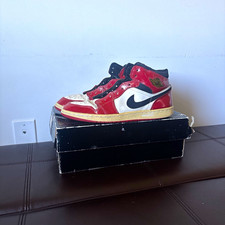
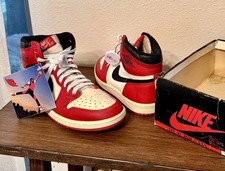
Nike introduced the Air Jordan in 1984 for Michael Jordan's rookie season with the Chicago Bulls, using the team's red and black, with Peter Moore as the lead designer. Jordan became its own Nike division in 1997 and brought in $5.1 billion for Nike in 2022.
In hip hop
LL Cool J wore Air Jordan 1s on the cover of his 1985 debut album Radio. 2Pac, The Notorious B.I.G., Ice Cube and Jay-Z all mentioned Jordans in their songs.
StarterStarter satin or pullover team jacket
The company
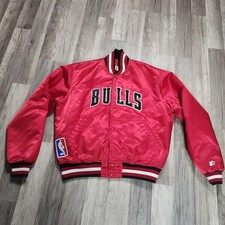
David Beckerman founded Starter in New Haven, Connecticut, in 1971 to make uniforms for high school teams, and it went public on the NYSE in 1993. After a 1999 bankruptcy, Nike bought it in 2004 and sold it to Iconix Brand Group in 2007.
In hip hop
Starter's early-1990s ads featured hip hop acts including DJ Jazzy Jeff and Will Smith, and the jackets became such status symbols that kids were robbed for them. In Chicago the Bulls version ruled during the Jordan championship years.
Various makersGators (alligator-skin dress shoes)
The company
No single company owns this item. "Gators" is the slang name for dress shoes made from alligator skin, sold by many makers and by Detroit menswear shops, and the city's dress-up players are known for them.
In hip hop
The Notorious B.I.G. shouted out Detroit's gator style with "pink gators, my Detroit players" on "Hypnotize" (1997). In 2016, the Detroit sneaker shop Burn Rubber made a pink-gator Reebok collaboration based on the line.
2010s
Chicago
When Chicago drill broke out in 2012, its teenage stars spent their first money on premium denim, designer belts and luxury down coats, and they posted every fit online. The look was stacked jeans, a big-name belt buckle, crisp sneakers and a coat built for Chicago winters, a flex that fans could copy piece by piece.
True ReligionTrue Religion jeans
The company
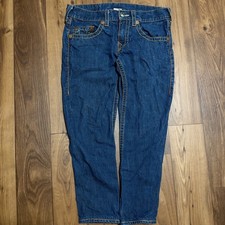
Jeff Lubell and Kym Gold founded True Religion in Los Angeles in 2002. TowerBrook Capital Partners bought it in 2013, and the brand recovered after going through Chapter 11 in 2017 and again in 2020.
In hip hop
Chief Keef mentions the jeans on "I Don't Like" and made "True Religion Fein" for Back From The Dead. He has said he spent all his early money on the brand, and he designed his own True Religion collections in 2022 and 2024.
Robin's JeanRobin's Jean
The company
French-born designer Robin Chretien, who moved to California in 1996 after working at labels including Hudson, founded Robin's Jean in the Los Angeles area in 2005. The jeans are made in the USA and carry a trademark wing design on the pockets.
In hip hop
Photos of Chief Keef from October 2012 show him in Robin's Jean cargo pants with Moncler outerwear. The brand is also name-checked in rap lyrics.
MonclerMoncler puffer jacket
The company
René Ramillon and André Vincent founded Moncler in 1952 in Monestier-de-Clermont, France. It is now based in Milan with Remo Ruffini as executive chairman, it went public in Milan in 2013, and it bought Stone Island for €1.15 billion in 2020.
In hip hop
In October 2012, at the height of his Finally Rich rise, Chief Keef was widely photographed in Moncler Hubert and Maya jackets and a Moncler vest.
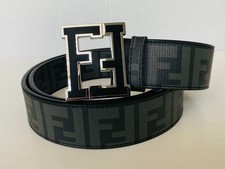
FendiDesigner belt (Fendi)
The company
Adele and Edoardo Fendi founded the house in Rome in 1925, and it is headquartered in Rome's Palazzo della Civiltà Italiana. LVMH took control in 2001, and Karl Lagerfeld designed the double-F logo in 1966.
In hip hop
In October 2012, Chief Keef paired a Fendi belt with Moncler jackets and Robin's Jean cargos, the designer-belt-over-premium-denim look that defined early drill style.
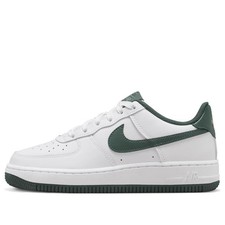
NikeWhite Nike Air Force 1
The company
Bruce Kilgore designed the Air Force 1 in 1982, the first basketball shoe with Nike Air. Nike, headquartered in Beaverton, Oregon, was estimated to be selling about $800 million worth of AF1s a year by 2007.
In hip hop
Nelly and the St. Lunatics took "Air Force Ones" to number three on the Billboard Hot 100 in 2002, and Harlem nicknamed the shoes "Uptowns." Chief Keef wore white AF1s with his Moncler and Robin's outfits in 2012.
Listings come from eBay and update throughout the day. Breakbeat Archive may earn a commission from qualifying purchases.
As an eBay Partner, Breakbeat Archive may earn a commission from qualifying purchases. Videos embedded from YouTube.