Big Tuck
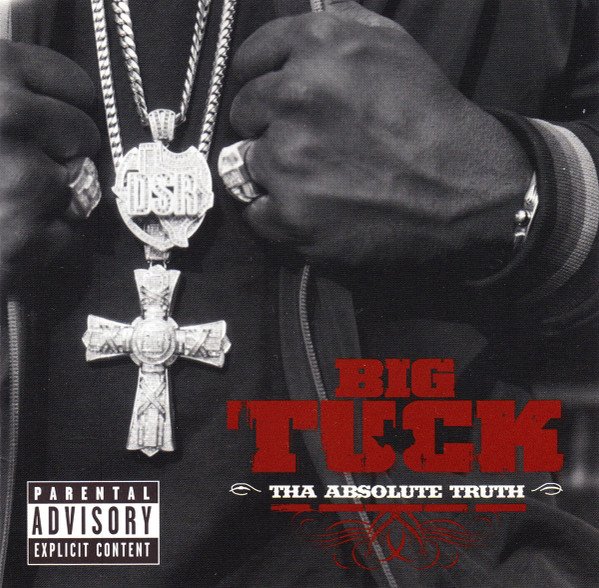
South Dallas rapper from the Dirty South Rydaz who sold mixtapes through T-Town Music, then released his only major label album, “Tha Absolute Truth,” on Universal in 2006.
Origins
Big Tuck was born Cedric Lee Juan Tuck on March 29, 1979, and grew up in the Queen City neighborhood of South Dallas. He attended Lincoln High School and went to the University of Arkansas at Pine Bluff on a music scholarship, leaving in his senior year to return to South Dallas and rap. For about two years he had no steady home and slept in a 1979 Oldsmobile Delta. He stands six foot five and at the time wore cornrows.
Breakthrough
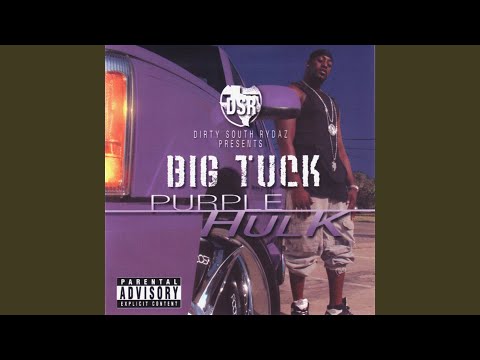
Tuck became part of the Dirty South Rydaz (DSR), the collective built around George Lopez’s T-Town Music store in the Bruton Bazaar in Pleasant Grove. DSR recorded in a studio inside the Bazaar and sold its mixtapes on the street and through the store. His independent album “Purple Hulk” (2004) and the local hits “Southside Da Realist” and “Tussle,” with Tum Tum and Slim Thug, gave him a following in Dallas. AllMusic notes that he sold hundreds of thousands of CDs independently. Mixtapes such as “Polar Bear” (2005) with DJ Smallz and “Straight Outta Texas Vol. 1” (2006) followed.
Key records
In November 2005 T-Town Music and DSR signed with Universal in a reported multimillion-dollar deal. Tuck’s major label debut, “Tha Absolute Truth,” was first scheduled for March 2006 but was pushed back while Universal reorganized its Motown and Republic divisions. It arrived in December 2006 with guest appearances from Erykah Badu, Bun B, Chamillionaire, Slim Thug and Paul Wall. The album reached number 27 on the Billboard Top R&B/Hip-Hop Albums chart and number 14 on the Top Rap Albums chart but did not enter the Billboard 200, and the “Tussle” remix with Slim Thug drew little attention outside Texas.
Later career and legacy
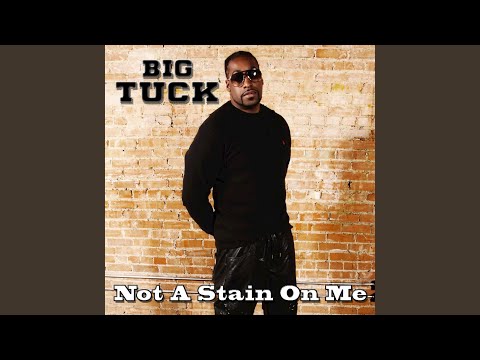
After the Universal album Tuck went back to independent releases, putting out mixtapes such as “Hell on Em, Volume 1” (2008) with DJ Drop and singles including “Not a Stain on Me” with fellow DSR member Fat Bastard. He continued to work with Lopez, whose Jin Music Group managed him and DSR. His records, sold mostly outside the major label system, are a central part of the mid-2000s Dallas mixtape era, when the city built its own rap economy around stores like T-Town Music rather than waiting on radio or major labels.
Watch

Discography
Studio albums 2

Collaborative albums 6


EPs & mixtapes 3


Albums on Breakbeat Archive
Know something we don't?
Suggest a correction
Have a flyer, tape cover or photo of Big Tuck?
Are you Big Tuck? Claim this page
Put this page on your site
Artists, fans and blogs: link this page with the badge or the card. Copy the code and paste it into your site.
Badge

Card