Run-DMC
Run-DMC biography, discography and videos: Hollis, Queens. Raising Hell (1986), the first multi-platinum rap album; “Walk This Way”; “My Adidas”; “It’s Tricky”.
Hollis Beginnings
Run-DMC grew out of Hollis, a middle-class corner of southeast Queens. Joseph "Run" Simmons had been pulled into the culture by his older brother Russell Simmons, an ambitious promoter and manager, and he teamed up with neighborhood friend Darryl McDaniels, who took the name D.M.C. Jason Mizell, a local DJ spotted around Hollis's Two-Fifths Park, joined on the turntables as Jam Master Jay. The group's name fused Run's old DJ handle with McDaniels' initials, which he also read as "Devastating Mic Controller."
In 1983 the trio released "It's Like That" backed with "Sucker M.C.'s" on Profile Records, produced by Russell Simmons and Larry Smith. The record threw out the busy disco-funk band tracks that defined early rap and replaced them with bare drum machines, scratches and two voices shouting over each other. It reached the top twenty of the R&B chart and pointed rap toward a harder, sparser sound.
Breaking Down Doors
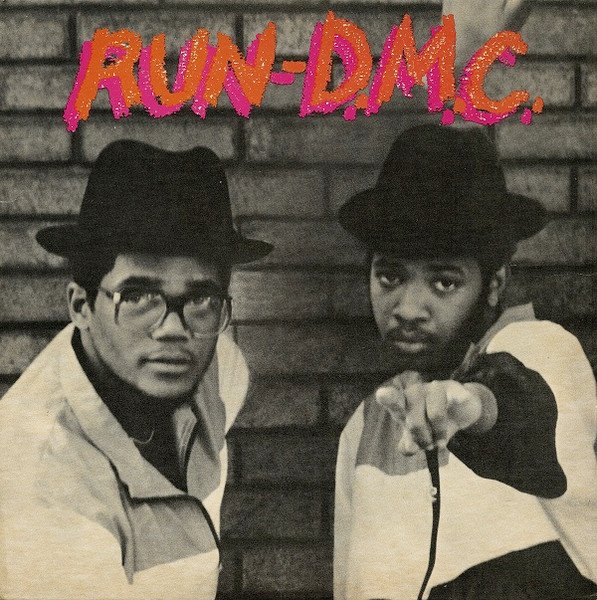
Their self-titled 1984 album became the first rap LP certified gold, and "Rock Box," with its loud guitar, gave hip hop its first video on MTV. King of Rock (1985) followed as the first rap album to go platinum. Just as important was the look: instead of the costumes of earlier crews, Run-DMC wore black leather, Kangol hats, gold chains and unlaced Adidas, dressing exactly like the kids in their audience.
Raising Hell and the Peak Years
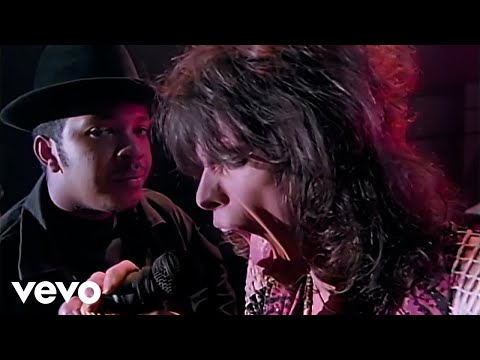
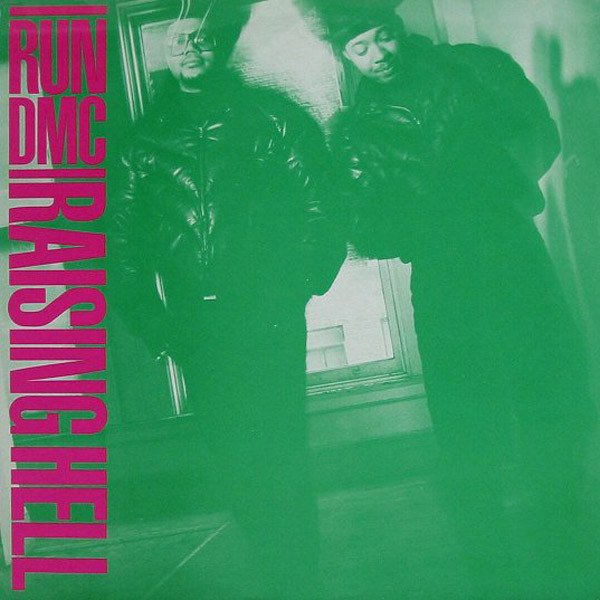
Raising Hell (1986), co-produced with Rick Rubin, was rap's first multi-platinum album and was later added to the Library of Congress's National Recording Registry. Rubin pushed the group to cover "Walk This Way" with Steven Tyler and Joe Perry of Aerosmith; the collaboration climbed to No. 4 on the Billboard Hot 100, out-charting the original and reviving the rock band's career. "My Adidas" led to an endorsement deal with the sneaker company, reported at $1.6 million, the first of its kind for a hip hop act. Along the way they became the first rap group on the cover of Rolling Stone, the first to receive a Grammy nomination, and the rap act on the bill at Live Aid in 1985.
The momentum slowed with Tougher Than Leather (1988) and the poorly received Back from Hell (1990), a stretch marked by personal troubles for all three members. They rebounded with 1993's Down with the King, a top-ten album whose title track featured Pete Rock and C.L. Smooth, and Jason Nevins' 1997 remix of "It's Like That" went to No. 1 in the UK. Crown Royal (2001) was their final album, largely steered by Run while D.M.C. appeared on only a few songs.
Legacy
On October 30, 2002, Jam Master Jay was shot and killed in his Queens studio. Run and D.M.C. retired the group soon afterward. The murder went unsolved for nearly two decades before federal charges were brought in 2020, and two men were convicted in 2024. The surviving members reunited only occasionally, including at Jay-Z's Made in America festival in 2012 and a final show at Yankee Stadium in 2023.
In 2009 Run-DMC became the second hip hop act inducted into the Rock and Roll Hall of Fame, and in 2016 they were the first rap act given a Grammy Lifetime Achievement Award. Their stripped-down beats, rock crossover and street-level style set the template that LL Cool J, the Beastie Boys and much of hardcore rap built on.
Watch



Discography
Studio albums 10


EPs & mixtapes 2


Compilations 21


Albums on Breakbeat Archive
- 1985“Jam-Master Jammin'”samples Billy Squier – The Big Beat
- 1985“Here We Go”samples Billy Squier – The Big Beat
- 1986“Peter Piper”samples Bob James – Take Me to the Mardi Gras
- 1988“Run's House”samples James Brown – Funky Drummer
- 1988“Run's House”samples The Soul Searchers – Ashley's Roachclip
- 1988“Beats to the Rhyme”samples Bob James – Nautilus
- 1990“Pause”samples Bob James – Take Me to the Mardi Gras
Know something we don't?
Suggest a correction
Have a flyer, tape cover or photo of Run-DMC?
Are you Run-DMC? Claim this page
Put this page on your site
Artists, fans and blogs: link this page with the badge or the card. Copy the code and paste it into your site.
Badge

Card


