Used on eBay right now
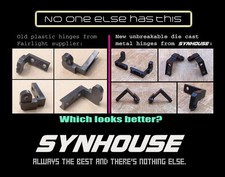 Fairlight CMI Series I II IIX III Front Panel Hinges -UNBREAKABLE Die Cast MetalNew · Buy It Now$99.00
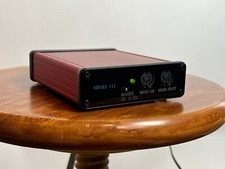 Fairlight USB2CMI (v. 2025) USB mouse, keyboard adapter for Series I/II/IIx/IIINew · Buy It Now$399
 Fairlight CMI system ConBrio ADS200 Kinetic Prism synth refrigerator MagnetNew · Buy It Now$8.50
 Fairlight CMI Series 3/MFX 2 Rackmount Combo SynthesizerUsed · Buy It Now$22,500
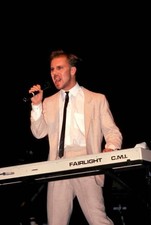 Thomas DOLBY playing Fairlight CMI keyboard Historic Old Music PhotoNew · Buy It Now$7.02
 Custom padded cover for FAIRLIGHT CMI Series III 73-key keyboardNew · Buy It Now$56.20
The Fairlight CMI is where digital sampling begins. Built in Australia by Kim Ryrie and Peter Vogel and launched in 1979, it cost more than a house, and its founders coined the term “sampling.” One of its preset sounds became a signature of early hip hop.
History
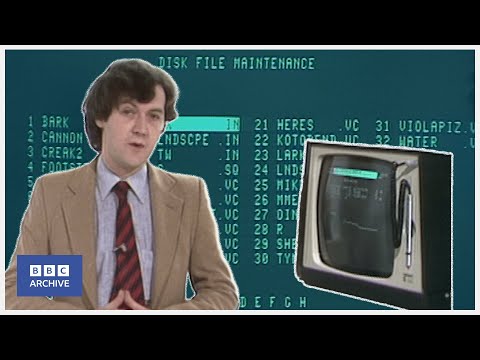
The Series I sampled at 8 bits and cost US$27,500. You drew and edited sounds on screen with a light pen. The Series II added the Page R sequencer, whose step-programmed patterns made it far more useful for beat-making, and the Series III of 1985 went to 16-bit. Production stopped in 1989.
The orchestra hit
The Fairlight’s ORCH5 preset is an 8-bit sample of a chord from Stravinsky’s Firebird. When Arthur Baker made Afrika Bambaataa and the Soulsonic Force’s “Planet Rock” (1982), he told Sound on Sound they were going through the Fairlight’s sounds and found “the orchestra.” Musician magazine later called it “the orchestral hit that was heard on every rap and techno-pop record of the early 1980s.”
Buying one today
Fairlights are rare and very expensive. The Series I, II, IIx and III differ hugely, and only the III is 16-bit. Working disks, a good monitor and the light pen all matter. Software emulations are the practical way to hear it today.
Fairlight CMI videos: demos, history and breakdowns