Almighty Dreadnaughts
Almighty Dreadnaughts (Tha Almighty Dreadnaughtz): Detroit underground rap collective founded 1986. Key releases: City Of Trees (1997), Point Of No Return (2000).
Origins
The Almighty Dreadnaughts, usually styled Tha Almighty Dreadnaughtz on their own releases, are an underground hip hop collective from Detroit and Highland Park, Michigan. The group was founded in 1986 by Detroit rapper and producer Theron “Alius Pnukkl” Ewing, which places its roots ahead of better-known Detroit acts such as Slum Village and D12. Members built their reputation in the city’s rap battle circuit, and the crew has always operated as a large, rotating roster rather than a fixed group.
Members and self-released catalog
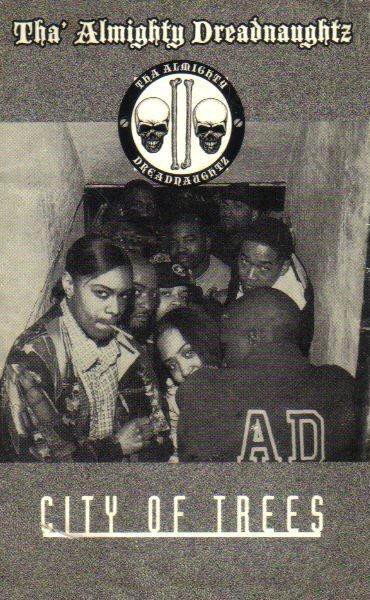
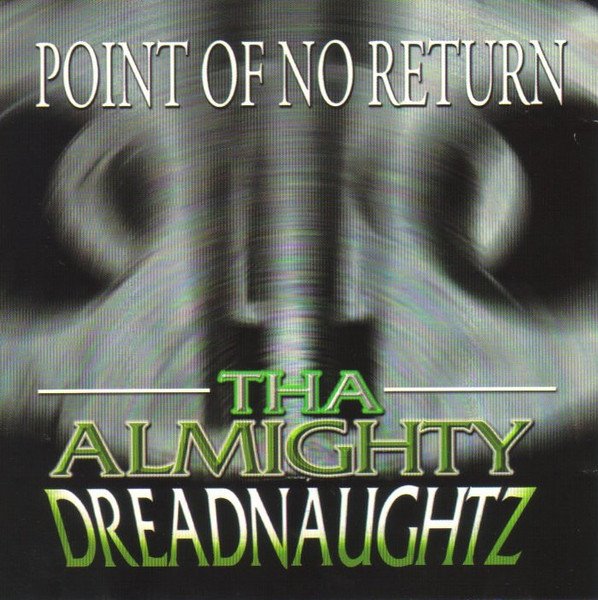
Discogs lists a long roll of contributors, among them Alius Pnukkl, Slautah, Supa Emcee, Hex Murda, Kriz Steel, Kawshus, Blitz, Konnie Ross, Cysion and the Detroit rapper D’Phuzion. Guilty Simpson joined in 1996. The group released its music independently: the cassette album City Of Trees in 1997, the Loud & Fearless mixtape in 1998, the CD album Point Of No Return in 2000, the mixtapes The Declaration (2003) and Land Of The Dreadnaughtz (2004), and You All Are Doomed in 2008. Their songs also circulated on Detroit mixtape and compilation series of the period, including Detroit Underground and Detroit Streets.
Links to D12 and J Dilla
The crew is known to many listeners through “Desperado,” a track on DJ Butter’s 2000 mixtape Kill The DJ credited to Eminem, Proof, Bugz and the Almighty Dreadnaughts. Guilty Simpson, the member with the most successful solo career, signed to Stones Throw Records and closed his 2008 debut album Ode To The Ghetto with a posse cut titled “Almighty Dreadnaughtz,” featuring Supa Emcee, Kriz Steel and Konnie Ross. The group also appears on J Dilla’s posthumous 2012 album Rebirth Of Detroit on the track “Ride With It.”
Standing
The Detroit Metro Times reviewed the group in 2002, describing verses that document Detroit street life with technical, rapid-fire wordplay and noting that the crew stood apart from radio-driven hip hop. Much of the catalog remains available only on original cassettes and CDs, which makes the Dreadnaughts a reference point for collectors of Detroit’s 1990s and 2000s independent rap scene.
Watch