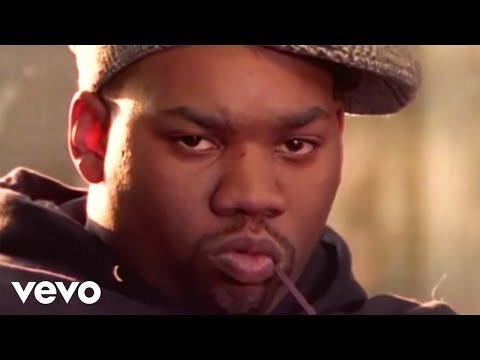
Kool Moe Dee
Kool Moe Dee biography, discography and videos: Harlem, Manhattan. Treacherous Three co-founder; How Ya Like Me Now (1987), platinum; “How Ya Like Me Now”; “Wild Wild West”; “Go See the Doctor”.
Harlem Roots and the Treacherous Three
Kool Moe Dee was born Mohandas Dewese in Harlem on August 8, 1962. In 1978 he helped launch the Treacherous Three alongside DJ Easy Lee, L.A. Sunshine and Special K, with Spoonie Gee in the early lineup. The crew cut "The New Rap Language" for Bobby Robinson's Enjoy Records in 1980, then moved to Sugar Hill for singles like "Feel the Heartbeat" and "Whip It," and turned up in the 1984 film Beat Street. Their rapid-fire, tightly packed rhymes are often credited as a blueprint for fast rapping. Moe Dee's own reputation was sealed in 1981 when he took on Busy Bee Starski in a live battle, a showdown that became one of the most talked-about early rap confrontations because it replaced party chants with pointed, lyrical attack.
Going Solo and "How Ya Like Me Now"
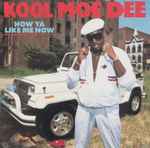
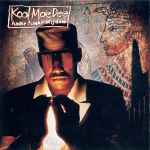
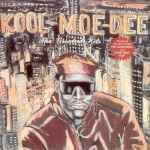
After the Treacherous Three split in 1985, Moe Dee signed with Jive and released his self-titled debut in October 1986, working with a young Teddy Riley among others; "Go See the Doctor" gave him a novelty hit. His second album, How Ya Like Me Now, arrived in November 1987, recorded at Battery Studios in London and co-produced with Riley. The title track was a direct shot at LL Cool J, whom Moe Dee felt was disrespecting the pioneers, and the album sleeve pressed the point by showing a Jeep wheel parked on a red Kangol hat. The single climbed to No. 22 on Billboard's R&B chart, and the album reached No. 4 on the R&B albums chart and went platinum in 1988. LL fired back with "Jack the Ripper," making the exchange one of the first great rap rivalries played out on record.
Grammy Firsts and Later Work
"Wild Wild West" hit No. 4 on the R&B chart and earned a Grammy nomination, and Knowledge Is King (1989) went gold. At the 1989 ceremony he became the first rapper to perform on the Grammy Awards stage. That same year he joined the Stop the Violence Movement's "Self Destruction," the all-star record organized by KRS-One. He later shared a Grammy for Quincy Jones's "Back on the Block," often cited as the first Grammy won by a solo rapper. Funke, Funke Wisdom (1991) and Interlude (1994) closed out his major-label run.
Legacy
Moe Dee stayed a student of the craft: he earned a communications degree from SUNY Old Westbury in 1985, and in 2003 published There's a God on the Mic, ranking and analyzing the 50 greatest MCs. In 2017 he launched the interview series Behind the Rhyme. He is remembered as the bridge between the park-jam era and the lyric-driven late '80s, a battle rapper who proved that skill and sharp commentary could sell records.
Watch

Discography
Studio albums 5

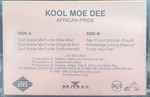
EPs & mixtapes 1
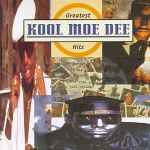
Compilations 3
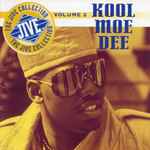
Albums on Breakbeat Archive
Crates are empty… for now.
We're still digging. Check back soon or browse the Artifact Wall.
- 1986“Go See the Doctor”samples James Brown – Funky Drummer
Know something we don't?
Suggest a correction
Have a flyer, tape cover or photo of Kool Moe Dee?
Are you Kool Moe Dee? Claim this page
Put this page on your site
Artists, fans and blogs: link this page with the badge or the card. Copy the code and paste it into your site.
Badge

Card