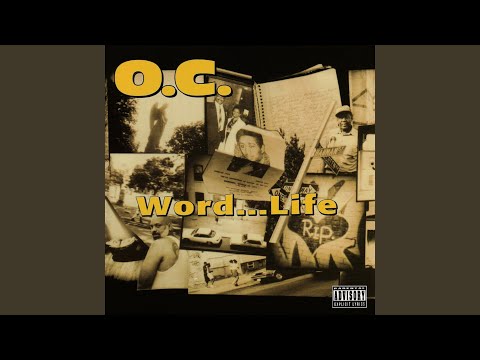
Beanie Sigel
South Philadelphia rapper Dwight Grant, a Roc-A-Fella mainstay and leader of State Property, whose debut “The Truth” reached No. 5 and whose “Feel It in the Air” became his signature song.
Roc-A-Fella arrival
Beanie Sigel was born Dwight Equan Grant on March 6, 1974, in Philadelphia, and came up in South Philadelphia. Active as a rapper since 1994, he signed with Jay-Z's Roc-A-Fella Records in 1998. He introduced himself to a national audience through guest verses on Jay-Z's “Reservoir Dogs” (1998) and “Do It Again (Put Ya Hands Up)” (1999), the first of many appearances on Roc-A-Fella records.
The Truth and The Reason
His debut album “The Truth,” released on February 29, 2000, through Roc-A-Fella and Def Jam, reached No. 5 on the Billboard 200 and No. 2 on the R&B/Hip-Hop albums chart and was certified gold. It featured Jay-Z, Memphis Bleek, Amil, Eve and Scarface, with production from Just Blaze, Kanye West, Rockwilder and Bink. “The Reason” followed on June 26, 2001, and also debuted at No. 5, selling 151,000 copies in its first week. Its single “Beanie (Mack B****)” reached No. 11 on the Hot Rap Singles chart.
State Property
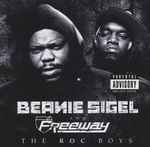
In 2000 Sigel became the de facto leader of State Property, a Philadelphia collective formed with Roc-A-Fella labelmates. The group's 2002 film and soundtrack produced “Roc the Mic” with Freeway, which reached No. 55 on the Hot 100 and was Sigel's only appearance on that chart. His third album, “The B. Coming” (2005), reached No. 3 on the Billboard 200 and No. 1 on the R&B/Hip-Hop albums chart, and its song “Feel It in the Air” became his signature record. “The Solution” (2007), which reached No. 37, was his final release under Roc-A-Fella. Over his career he also recorded through Dame Dash Music Group and G-Unit Records.
Independent years and legacy
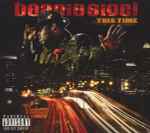
After leaving Roc-A-Fella, Sigel released “The Broad Street Bully” (2009), which reached No. 80, and “This Time” (2012) on his own. His gruff delivery and plain accounts of street life on “The Truth” and “The B. Coming” made him the most prominent Philadelphia rapper of the Roc-A-Fella era, and State Property gave national exposure to other local rappers, most notably Freeway. His run in the early 2000s marked a shift in Philadelphia rap toward harder, street-focused records aimed at the mainstream.
Watch


Discography
Studio albums 6


Collaborative albums 6



EPs & mixtapes 4
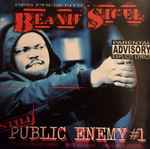


Albums on Breakbeat Archive

Know something we don't?
Suggest a correction
Have a flyer, tape cover or photo of Beanie Sigel?
Are you Beanie Sigel? Claim this page
Put this page on your site
Artists, fans and blogs: link this page with the badge or the card. Copy the code and paste it into your site.
Badge

Card